No one wants to see their pet in distress. But when your pet needs surgery, knowing what to expect and how to prepare can help make the experience easier for both you and your pet.
Whether you are preparing for a planned surgery or your beloved pet is having emergency surgery, understanding your pet’s needs and managing expectations can help achieve the best possible outcome.
Common planned procedures include spaying/neutering, dental extractions, and benign mass removal. Some of the most common unplanned surgeries include foreign object removal, bladder stones, and trauma-related surgeries.
What to Expect During the Surgical Process
1. Your Veterinary Consultation
There will be a consultation with your veterinarian regardless of whether the surgery was planned or unexpected. During this consultation, you can expect:
- A physical examination
- A review of your pet’s medical history, including medications and supplements
- Discussion of treatment options
- A discussion of estimated costs
- An explanation and overview of anesthesia risks
- A review of the surgical procedure and an opportunity to ask questions
Depending on your pet’s procedure, X-rays, ultrasound, and blood work may also be recommended.
2. Follow Fasting Instructions
Fasting is the general protocol before surgery. You will be given specific fasting instructions for your pet, and it is important to follow them exactly.
Fasting helps prevent vomiting or aspiration while your pet is under anesthesia. If your pet takes prescription medication, your care team will advise you whether the medication should be given on the day of surgery or whether a dose should be skipped.
3. Grooming Before Surgery
If your pet’s surgery is planned, consider having them groomed 1–2 days before surgery. Your pet may not be able to get wet for approximately 10–14 days afterward.
4. Arriving for Surgery
On the day of surgery, plan to arrive early. Bring your pet in on a leash or in a secure carrier. You may need to complete additional paperwork.
If your pet will be spending time at the facility after surgery, your care team may ask you to bring their medications and food. Your care team will let you know whether you need to stay at the facility or return later.
5. Anesthesia & Monitoring
Your pet will receive anesthesia during surgery. They may first be given a combination of sedatives to help them relax. In some cases, a small area on the front leg will be shaved where the IV catheter is placed, and a bandage may be applied after surgery.
Additional medications will be used to induce anesthesia, and a breathing tube will be placed in your pet’s airway.
Your pet’s vital signs will be closely monitored throughout the procedure, including:
- Heart rate
- Respiratory rate
- Oxygen levels
- Body temperature
Advanced monitoring systems help your veterinary team monitor your pet’s safety throughout the operation.
6. During & After Surgery
Surgical times vary depending on the type of procedure your pet is having.
After surgery, your pet will be moved to a quiet recovery area where they will be continuously monitored as they wake up from anesthesia. Your pet may be groggy and may not act like themselves for several hours.
Your care team will determine when your pet is comfortable and stable enough to return home or whether an overnight stay is recommended.
7. Preparing for the Trip Home
When returning home, make sure you have a safe way to secure your pet in the car. Use a crate, pet seat belt, or have another person help ensure your pet does not slip or fall during the trip.
8. Follow Post-Surgery Instructions
Your care team will provide specific post-surgical instructions. It is extremely important to follow these instructions carefully, including administering all medications exactly as directed.
9. Closely Monitor Recovery
Closely monitor your pet during their recovery and contact your veterinary care team if you have any concerns.
10. Attend Follow-Up Appointments
Attend all recommended follow-up appointments. Following your veterinarian’s instructions and keeping up with follow-up care will help keep your pet on the path to recovery.
The Path to a Quicker Recovery
After your pet’s surgery, you can help them on their road to recovery by paying attention to several key steps. Most importantly, follow your veterinarian’s post-surgical instructions.
1. Create a Calm, Clean Environment
Prepare a calm and clean environment for your pet to return home to. Make sure their bedding is clean before they arrive.
When you are not home, keep your pet in a crate or small, hazard-free room. Limit access to stairs and furniture to help prevent falls or injuries.
2. Limit Activity
Decrease your pet’s activity level and use a leash for walks if approved by your veterinarian. Avoid rough play and follow all exercise restrictions until your veterinarian gives your pet permission to resume normal activity.
3. Monitor the Incision
Check your pet’s incision twice a day and look for:
- Swelling
- Redness
- Discharge
- Missing sutures
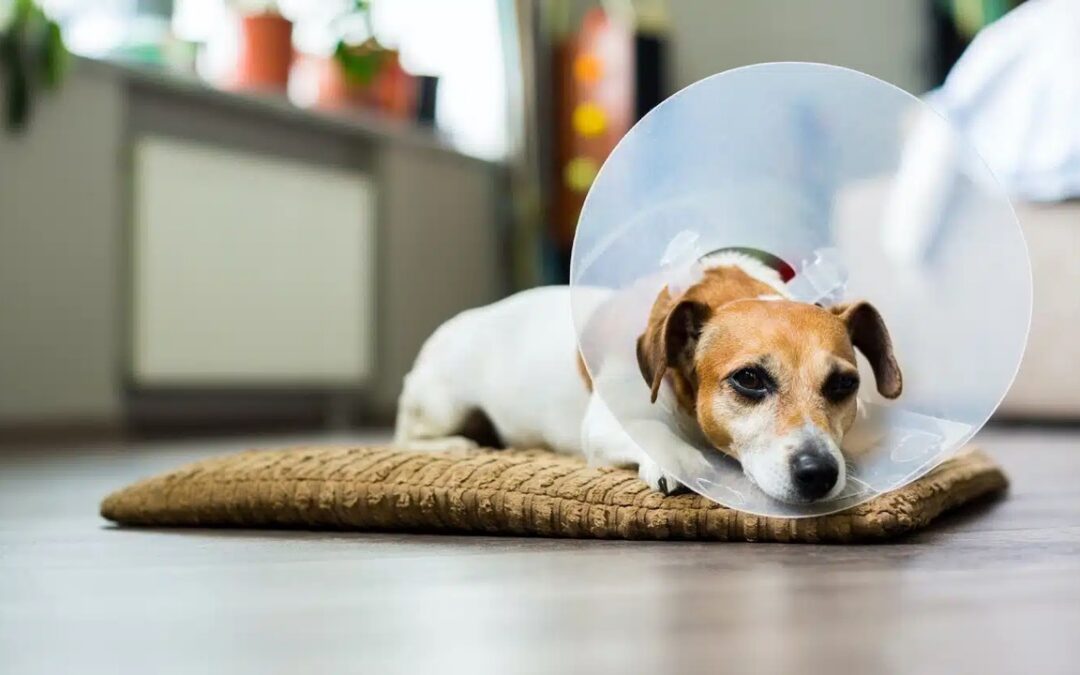
Your pet may need to wear an Elizabethan collar (cone), inflatable collar, or recovery suit to prevent them from licking or biting the surgical site. Contact your veterinarian if you have concerns about the incision.
4. Support Healthy Eating & Hydration
Feed your pet smaller, more frequent meals to help avoid an upset stomach. Encourage your pet to drink plenty of water to stay hydrated. Your veterinarian may also recommend a prescription diet.
It is not unusual for your pet to experience constipation for several days after surgery due to anesthesia, pain medication, and reduced activity. Contact your veterinarian if your pet has not had a bowel movement within 5 days.
5. Stay on Top of Medications
Keep your pet on their prescribed medication schedule and administer all medications precisely as directed. Finish all prescriptions unless your veterinarian tells you otherwise.
If your pet experiences any side effects, contact your veterinarian immediately.
6. Know When to Seek Immediate Veterinary Care
Seek immediate veterinary care if your pet experiences any of the following:
- Difficulty breathing
- Fever
- Significant pain or swelling
- Persistent diarrhea or vomiting
- Changes in behavior
7. Keep Follow-Up Appointments
Be certain to attend all follow-up appointments with your pet. These visits allow your veterinary team to monitor healing and make sure your pet is recovering properly.
Why the Cone Is Necessary After Surgery
The pet cone, officially called an Elizabethan Collar or E-collar, is an important part of your pet’s recovery.
Cones are worn to prevent your pet from biting at stitches or licking their surgical wound. Biting and licking the surgical site can lead to:
- Infection
- Delayed healing
- Opening of the surgical wound
- The potential need for additional surgery
Cones can also prevent pets from licking and ingesting topical wound-care products.
Cone Alternatives
While some pets do well wearing a traditional post-surgical cone, others may struggle with this part of the healing process. A cone can affect a pet’s perception and make some everyday activities more difficult.
There are several alternatives that pet owners have found helpful, including:
- Recovery suits or onesies: These can cover the surgical area and help prevent licking.
- Inflatable collars: These fit around the pet’s neck and create a barrier between their mouth and the surgical site.
- Soft fabric cones: These provide a softer alternative to traditional plastic cones and may be more comfortable for some pets.
Understanding the intricacies of pet surgery and implementing appropriate post-operative care are important for the well-being and swift recovery of your beloved companion.