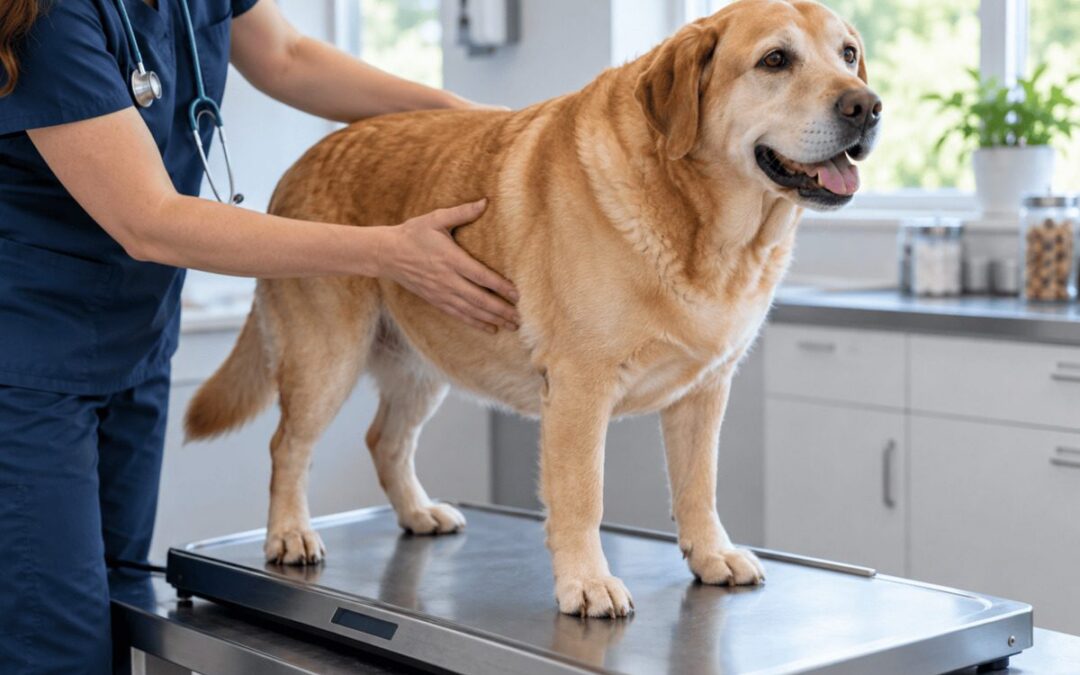
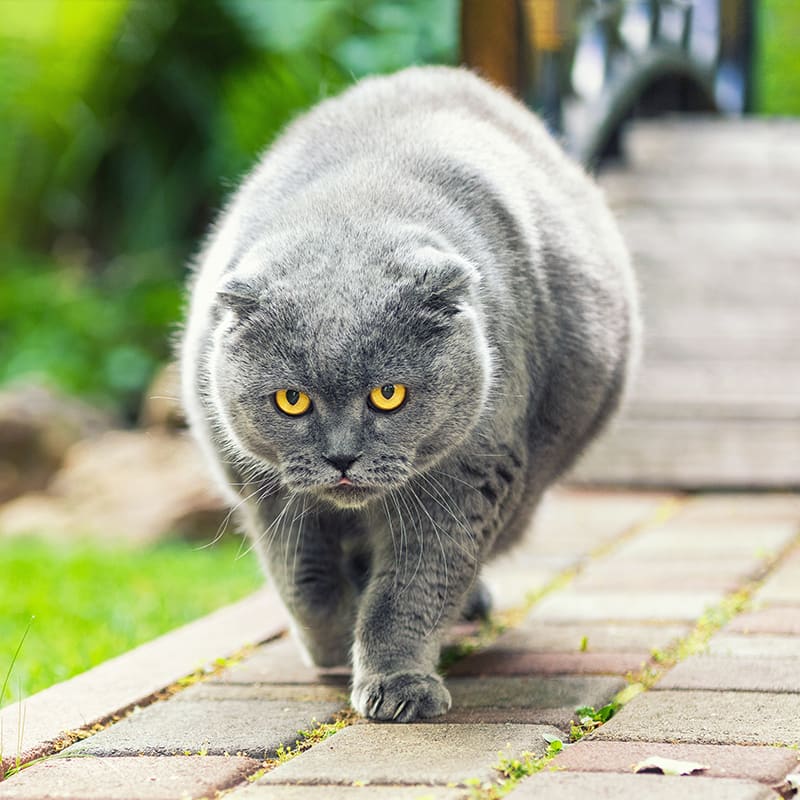
We love our pets and keeping them healthy is one of the most important things we can do to give them a long, happy life. But just like people, pets can experience gradual weight gain that can be surprisingly easy to miss. In fact, approximately six out of ten dogs and cats are considered overweight or with obesity. October is National Pet Obesity Awareness Month, with National Pet Obesity Day observed on October 14—making this a great time to take a fresh look at your pet’s weight and overall body condition.
Weight gain can happen gradually and for many different reasons. Sometimes a pet simply needs fewer calories as they age. Changes in activity, treats, feeding habits, medications, or underlying health conditions can also play a role. What matters is recognizing the change and taking steps to keep your pet as healthy as possible.
Why Your Pet’s Weight Matters
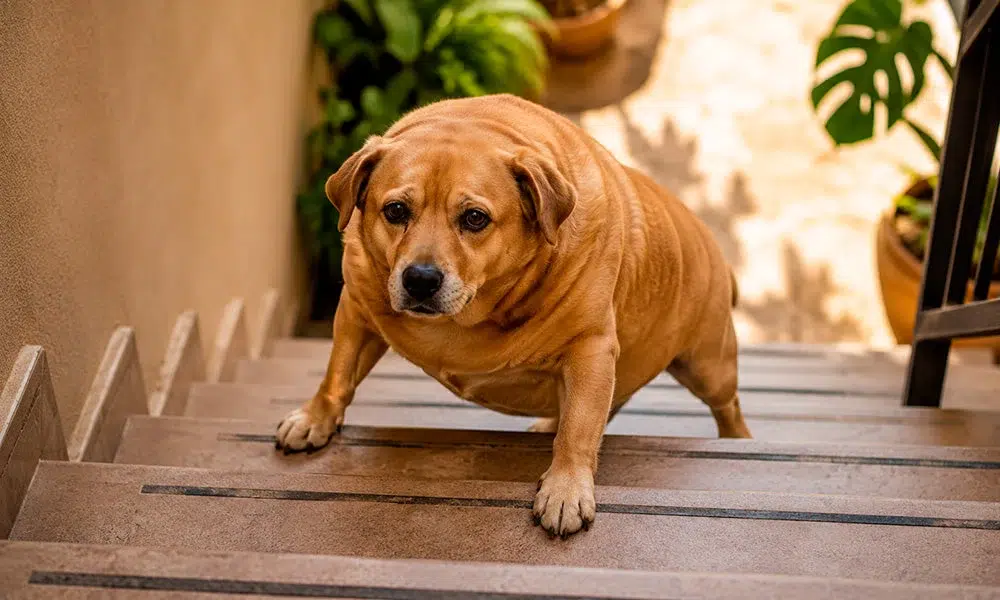
Extra weight isn’t simply a cosmetic issue. Even modest excess weight can affect a pet’s health, mobility, and quality of life. Carrying extra weight can put additional stress on the joints and may contribute to mobility problems. Obesity is also associated with a number of health conditions, including diabetes, respiratory problems, and other chronic diseases.
A pet in the overweight range may also have more difficulty exercising, grooming themselves, or participating in the activities they enjoy. The good news is that maintaining a healthy weight is something you and your veterinarian can work on together.
Why Is It Sometimes Difficult to Tell if a Pet is in the Overweight Range?
Because we see our pets every day, gradual changes can be difficult to notice. A pet may gain weight slowly over months or years, and what once looked like a healthy body may become an unhealthy one without an owner realizing it. That’s why your veterinarian’s assessment is so valuable.
Rather than relying solely on the number on a scale, veterinarians use a Body Condition Score (BCS) to evaluate whether a pet is at an ideal weight, underweight, overweight, or with obesity. Body condition scoring takes into account the pet’s overall shape and the amount of fat covering the body. Breed, age, body type, and muscle mass can all influence what an ideal BCS 4-5/9 looks like, so there isn’t one ideal number that applies to every dog or cat.
During a routine preventive examination, your veterinarian can assess your pet’s body condition, discuss nutrition and help determine whether any changes to your pet’s diet or activity level would be beneficial.
Why Do Pets Gain Weight?
Weight gain isn’t always as simple as overeating. Just like people, pets can gain weight for a variety of reasons.
Feeding habits
Most often, extra weight comes from love expressed through food: a little more in the bowl, a treat to say “good job,” a nibble shared at the table. Portion sizes can sometimes be larger than a pet needs. Free-feeding, measuring food by eye, frequent treats, table scraps, and high-calorie chews can all add calories to a pet’s daily intake. A pet’s daily calories include everything they eat, not just what’s in their food bowl.
Changes in activity
Pets may become less active as they age. Changes in their routine, weather, mobility, lifestyle, or environment can also reduce the amount of exercise they get. If a pet is eating the same amount of food but becoming less active, weight gain can occur gradually.
Age and life stage
Nutritional needs can change throughout a pet’s life. The amount of food that was appropriate when a dog or cat was young and highly active may be more than they need later in life. Regular veterinary examinations can help determine whether your pet’s nutritional needs have changed.
Medical conditions and medications
Certain medical conditions and medications can contribute to weight gain or changes in appetite. That’s one reason it is important not to assume that a pet in the overweight range simply needs to eat less. If you have noticed unexplained weight gain, talk with your veterinarian.
Small Changes Can Make a Big Difference
Weight management is a process and your veterinarian can help you develop a plan that is appropriate for your individual pet.
That may include:
- Measuring meals rather than estimating portions
- Reviewing the type and amount of food being fed
- Taking treats and chews into account
- Finding appropriate ways to increase activity
- Monitoring your pet’s weight and body condition
- Scheduling follow-up visits to track progress
It’s also important that everyone in the household is on the same page. If one family member is carefully measuring meals while another is providing extra treats throughout the day, it can be difficult to achieve the desired results.
Talk With Your Veterinarian
If you’re unsure whether your pet is at an ideal weight, the best place to start is with your veterinarian. A routine preventive examination provides an opportunity to assess your pet’s Body Condition Score, discuss nutritional needs, and identify any factors that could be contributing to weight gain.
And remember, the goal isn’t simply a number on the scale. The goal is helping your pet maintain a healthy body condition so they can remain active, comfortable, and enjoy the things they love.
This Pet Obesity Awareness Month, Take a Closer Look
Our pets depend on us for their nutrition and healthcare, and sometimes the most important step is simply becoming aware of a change. If you’re unsure, schedule a body condition assessment with your veterinarian.
Feel free to call us at (314) 721-6251 or book online at www.kah.com to book your pet’s appointment.
Address: 420 N. Skinker Blvd, St. Louis, MO 63130
Hours: Monday – Friday: 8:00 AM – 6:00 PM